Lumbar Canal Stenosis Treatment in Mumbai — Pain Clinic of India

Medically Reviewed By
Dr. Kailash KothariMD Anesthesiology, Pain Medicine, FIAPM (Pain Medicine) · 30+ years experience
Last medically reviewed: June 2026
- No surgery required for many conditions
- Same-day procedures
- International training & advanced techniques
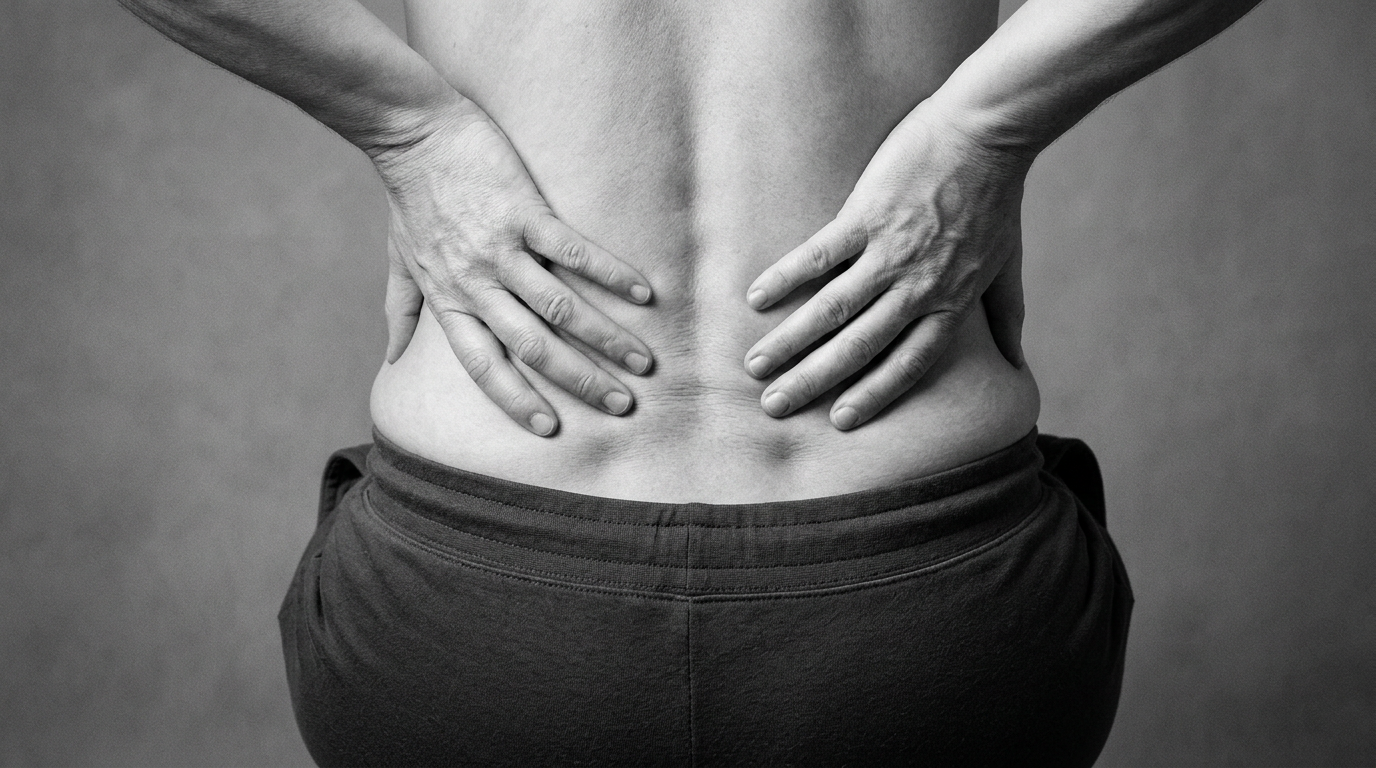
Back pain due to lumbar canal stenosis is one of the common complaints in many of the Indians suffering from degenerative spine disease. The problem of lumbar canal stenosis arises after a certain age in most of the people and causes chronic pain in the lower back and legs. Although there are various ongoing debates among the spine specialists regarding the diagnosis of lumbar canal stenosis, most of them agree that these can easily be averted with proper precautions. Even if the precautionary measures prove to be a complete failure, the condition can be treated simply with medicines, rest, appropriate body mechanics and pain management therapies.
In a few cases surgery is required to treat progressive neurological symptoms e.g. leg weakness, inability to walk even a small distance, pain at rest and in the presence of RED FLAG SIGNS.
Causes of Spinal Stenosis
Although there are various reasons that can cause spinal stenosis, most of the spine specialists have agreed upon the herniated spine discs being the most common cause. Some of the most common causes of lumbar canal stenosis are:
- As noted by most physicians, bulging of the lumbar discs is the most observed cause for lumbar spinal stenosis.
- Hernia of the spinal disc resulting in pressure being exerted over the nerves running towards the lower back can cause chronic back pain and result in lumbar canal stenosis.
- Facet joint arthritis is one of the main causes of spinal stenosis. In combination with herniated discs, it leads to a drastic decrease of space covering the spinal cord, thereby causing severe pain and numbness in the lower parts of the body.
- In combination with the above causes, hypertrophy (degenerative) of the ligaments e.g. ligamentum flavum, posterior longitudinal ligament, can give rise to additional pressure on the spinal cord.
- Irregularity in the structure of the vertebrae can also give rise to this agonising condition. Structural irregularity in the spine arises due to excessive curvature in any two sides of the vertebrae.
- Another condition that arises due to old age is osteoporosis. This results in fracture in the vertebrae, hence causing agitating pain in the lower back. Vertebral fracture with retropulsion can cause spinal canal stenosis. This can be prevented if early intervention is done with vertebroplasty or kyphoplasty.
- There are some rare causes too — namely cancer or infection in the spinal cord — which can give rise to tremendous pain.
Symptoms of Spinal Stenosis
The main symptom of lumbar canal stenosis is severe pain in the lower back. Many patients also experience numbness or weakness in the lower back and the legs along with the agonising pain. The pain is severe after walking a few feet to a few meters — this is called claudication pain. If the pain in the lower back does not recede with the passage of time then it is generally termed as chronic pain (> 3 months). The pain due to spinal canal stenosis usually lasts for three to four months and can easily be subsided with proper spinal stenosis treatment. Normally lumbar canal stenosis treatment is home-based and simple, but if the pain does not subside even after a long time of proper treatment, doctors may consider pain management injections, and if that fails, surgery as the ultimate means of spine pain treatment.
Treatments for Lumbar Canal Stenosis
The procedures included in lumbar canal stenosis treatment are generally home-based, and the pain can easily be subsided with proper body rest, exercises and medicines. Drastic measures are not easily taken by the spine specialists during spinal stenosis treatment. If the pain does not recede even after three months of spine pain treatment, doctors may consider epidural steroid injection therapy for treating the worsened condition. Many times it is combined with facet joint injection or radiofrequency ablation of the medial branches. Surgical methods are required in less than 3–5% of patients while treating spinal stenosis and it is kept as the weapon of last resort.
Lumbar canal stenosis treatment in Mumbai at Pain Clinic of India uses minimally invasive options for neurogenic claudication and related symptoms. The block above follows the legacy site; below is how we apply these treatments at PCI.
Treatment at Pain Clinic of India
Caudal Epidural Steroid Injections
These injections deliver anti-inflammatory medication into the epidural space through the caudal (tailbone) approach, reducing inflammation around the compressed nerves and improving walking capacity.
Epidural Adhesiolysis
For more severe cases, epidural adhesiolysis uses a specialized catheter to mechanically open up the narrowed spaces and deliver medication directly to the compressed nerves.
Radiofrequency Ablation
When facet joint hypertrophy contributes to the stenosis, radiofrequency ablation of the facet nerves provides additional pain relief.
Book Your Consultation
If walking has become painful and limited, call +91-7303142400 to explore non-surgical options at PCI.
Frequently asked questions about lumbar canal stenosis treatment
Medical references
This page is informed by guidance from the following authoritative medical sources: